
 By
By 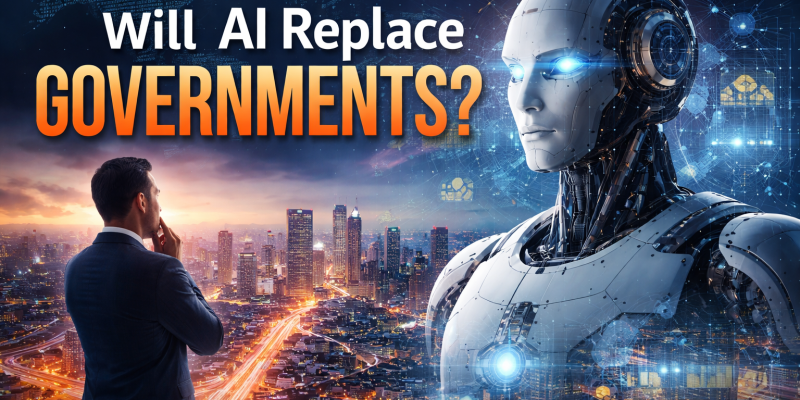
There are moments in life when something shifts inside you.
Not gradually.
Not comfortably.
But suddenly… and irreversibly.
This was one of those moments.
I was in Taiwan, on what I thought would be a routine fact-finding mission on artificial intelligence. Meetings, discussions, polite exchanges of ideas – the usual rhythm of global delegation visits.
And then I met Dr. Non Angkura.
What followed wasn’t a conversation.
It was a quiet dismantling of everything I thought I understood about cities, governance, and the future.
One Man. One Laptop. One Uncomfortable Truth.
He wasn’t sitting behind a billion-dollar lab.
He wasn’t backed by a massive tech corporation.
Just a second-hand laptop.
A modest setup.
And a mind that refused to accept how slowly the world moves.
And yet, what he had built felt almost unreal.
He showed me a live dashboard tracking conflict zones in the Middle East — powered by satellite data pulled from across the world.
He showed me how cities could optimise traffic, garbage collection, and public transport… not through massive infrastructure… but through intelligent layering of data.
He showed me how you could track buses without GPS.
And then he said something that stopped me cold.
“Tell me which city you want to fix.”
I said, “Bangalore.”
He smiled.
“Give me 20 minutes.”
20 minutes to compare Bangalore with another global city.
20 minutes to analyse taxes, infrastructure, livability.
20 minutes to generate actionable recommendations.
Twenty.
Minutes.
I come from a country where decisions take months… sometimes years… just to move from one desk to another.
And here was a man telling me that the future doesn’t wait for files to move.
It calculates.
It adapts.
It decides.
The Question That Stayed With Me
At one point, the conversation turned almost philosophical.
“If AI can analyse everything… optimise everything… and make better decisions based on real-time data…”
He paused.
“Why do we need governments?”
It’s a dangerous question.
But also… an honest one.
Because what I saw that day wasn’t about replacing people.
It was about removing friction.
Removing delay.
Removing inefficiency.
Removing the silent decay that happens when systems stop serving the people they were meant to protect.
This Is Not the Future. This Is Now.
What disturbed me the most wasn’t the technology.
It was how accessible it is.
These systems are not costing billions. They cost $20–$25 a month.
They are not built by armies of engineers. They can be built by individuals who understand how to think.
Which means this is no longer about resources.
This is about mindset.
And That’s Where It Gets Personal
Because this is not just about governments.
It’s about all of us.
Entrepreneurs.
Creators.
Leaders.
Citizens.
Are we moving fast enough?
Are we thinking boldly enough?
Or are we still waiting… for permission?
I’m Still Processing This
Even as I write this, I don’t have all the answers.
But I know this:
Something has changed.
And if you care about the future of cities…
If you care about India…
If you care about where the world is headed…
You need to experience this conversation for yourself.
Watch it here:
And when you’re done, ask yourself one question:
Would you trust AI to run your city?
Because whether we’re ready or not…
That future is already knocking.
Karnvir Mundrey is the Founder of Atharva Marcom and can be reached at kmundrey@gmail.com











Comments